Cute Bee: A Font Duo for Authentic, Handmade Branding
More Than Just a Typeface: The Handwritten Heart of Cute Bee
Finding a font that feels genuinely human can be a challenge. In a digital landscape filled with clean, geometric sans serifs and classic serifs, a typeface with a natural, handcrafted feel stands out. The Cute Bee font duo is designed to fill that space, offering a blend of casual elegance and expressive artistry. It’s not just a collection of letters; it’s a design asset built to inject personality and warmth into your projects.
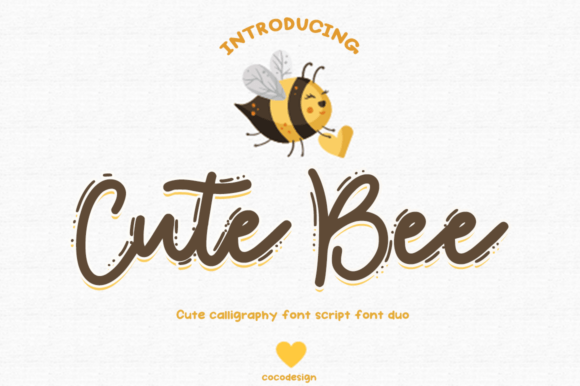
At its core, Cute Bee is a premium font package featuring two complementary styles: a flowing script font and a versatile handwritten font. The script style is where the magic happens. It’s a connected, cursive typeface with smooth curves and an organic rhythm. What gives it real character are the expressive swashes—those elegant, sweeping tails on certain letters that add a touch of calligraphic flair. This isn't a stiff, formal script; it’s relaxed and sophisticated, perfect for creating a personal, approachable vibe.
The accompanying handwritten font, often labeled as the Regular variant, provides a crucial balance. It’s a standalone creative font with a more relaxed, upright posture. This style is easier to read in longer blocks of text and maintains the same handmade charm without the connectivity of the script. Together, these two styles form a powerful duo. You can use the script for a standout headline or logo and pair it with the handwritten font for supporting text, creating a cohesive and visually interesting brand identity that feels both stylish and sincere.
Strategic Applications: Where Cute Bee Truly Shines
Understanding a font’s strengths is key to using it effectively. Cute Bee excels in applications where you want to convey authenticity, creativity, and a personal touch. It’s a display font at heart, meaning it’s designed to draw attention, making it a natural fit for specific projects across web design, print, and branding.
For entrepreneurs and small business owners, this typeface can become a cornerstone of your visual identity. Imagine it on product packaging for artisanal goods, a boutique clothing line, or a specialty food brand. The font immediately communicates a story of craftsmanship and care. It works beautifully for logo design, especially for brands in the lifestyle, beauty, wedding, or creative coaching spaces. A logo set in Cute Bee feels less corporate and more like a conversation, which can be a powerful way to connect with your target audience.
The applications extend far beyond branding. In editorial design and publishing, it can bring book covers to life, particularly for memoirs, romance novels, or creative non-fiction. Bloggers and content creators will find it invaluable for creating eye-catching titles and pull quotes that stop a reader mid-scroll. For social media graphics, it’s a secret weapon. Use it for Instagram quotes, Pinterest pins, or Facebook ad headlines to make your content feel more engaging and shareable. Its charm is equally effective in print, elevating wedding invitations, greeting cards, and event posters from simple to stunning.
Putting Cute Bee to Work: Practical Guidance for Designers and Creators
Choosing a font is one thing; using it well is another. To get the most out of Cute Bee, consider it a key player in your design toolkit, not just a decorative element. The goal is to leverage its personality to enhance your message, not overshadow it.
A primary consideration is readability. Like any script font, the flowing style of Cute Bee is best reserved for short-form text. Think headlines, logos, single words, or short phrases. For body copy, subheadings, or any text that needs to be read quickly and easily, switch to the accompanying handwritten Regular style or, even better, pair it with a clean sans serif font. A simple, geometric sans serif provides a perfect modern contrast, allowing the script to be the star while ensuring your message is clear. This practice of combining typefaces is known as font pairing, and it’s essential for creating professional and balanced layouts.
Before committing to a commercial font for a major project, always test it. Type out your specific brand name, key headlines, and any important phrases. Check how the letters connect, especially in the script version. Look at the swashes—do they enhance the word or get in the way? Many premium fonts like Cute Bee include alternate characters and ligatures, so explore what’s available in your design software to fine-tune the look. This hands-on testing ensures the font aligns with the specific needs of your project, whether it’s for a client’s brand identity or your own creative endeavor.
Finally, understand the licensing. A font is a piece of software, and its license dictates how you can use it. For personal projects like a friend’s wedding invitation, a personal license is usually sufficient. However, for any project that generates revenue—your business logo, products for sale, client work, or monetized content—you need to secure a proper commercial license. This is a non-negotiable part of professional practice. Investing in a licensed premium font not only gives you legal peace of mind but also supports the type designers who create these valuable design assets.