Autography: A Signature Font for Authentic Branding
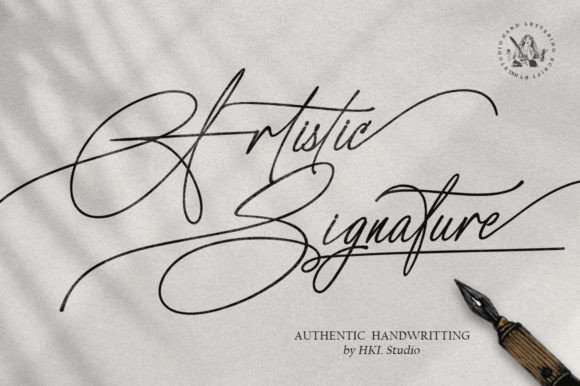
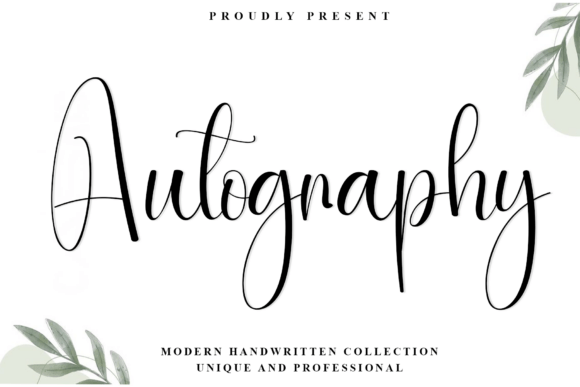
In the crowded world of digital design, finding a typeface that feels genuinely personal can be a challenge. We often see fonts that are either too stiff and corporate or too casual and messy. Autography strikes a rare balance. It is a beautifully flowing, elegant modern handwritten script font designed to capture the fluidity of natural handwriting. When you look at the letterforms, you immediately notice the smooth, generous curves and the graceful, elongated strokes. It doesn't look like a computer tried to mimic a pen; it looks like a professional calligrapher just finished a perfect run. This sophisticated, signature look makes it a standout asset for anyone building a visual identity that needs to feel human, luxurious, and authentic.
As a designer or business owner, you know that the typography you choose sets the mood before a single word is read. Autography projects an air of exclusivity and care. It is not just a generic script font; it is a premium font that carries a specific personality. The weight of the lines varies naturally, creating a rhythm that guides the eye across the page. This organic quality makes it perfect for projects where you want to establish a connection with the viewer. Whether you are working on logo design for a boutique brand or laying out high-end packaging design, this typeface adds a layer of polish that standard fonts simply cannot provide.
Elevating Visual Identity with a Premium Script
One of the most common questions I hear from clients is how to make their brand feel more expensive without changing their product. The answer often lies in the details, specifically in your brand identity assets. Using a creative font like Autography can instantly shift perception. For a photographer, using this font as a watermark is a subtle but powerful move. It doesn't scream "copyright"; it whispers "artistry." It blends into the composition of a portrait or landscape while maintaining a professional presence. Similarly, for luxury wedding stationery, the font mimics the look of hand-addressed envelopes and custom invitations, bridging the gap between digital convenience and traditional elegance.
When considering editorial design, the font serves a distinct purpose. It works exceptionally well for pull quotes, chapter titles, or magazine headers. Imagine a layout dominated by a clean sans serif font for the body text. It is functional, but it might lack warmth. Introducing Autography for headlines or accent text breaks up the visual monotony and injects personality. It creates a hierarchy that draws the reader's eye to the most important emotional beats of the story. This contrast between a structured sans serif and a flowing script is a classic design technique that remains effective because it works on a psychological level, signaling a shift from information to feeling.
However, using a handwritten font effectively requires restraint. Because Autography has such strong stylistic features—those long swashes and connecting strokes—it can become overwhelming if overused. It is a display font, meaning it is designed for impact at larger sizes. If you try to set a full paragraph of body copy in Autography, readability will drop significantly. The eye struggles to track connected scripts over long distances. Therefore, think of this typeface as a spice rather than the main ingredient. Use it for short bursts of text where you want to make a statement.
Practical Applications and Project Fit
Let’s talk about practical application across different mediums. If you are a small business owner selling handmade goods or artisanal products, packaging design is your frontline. Autography works beautifully on labels, wrapping paper, or thank-you cards included in the box. It suggests that a real human crafted the product and cares about the unboxing experience. In the realm of web design, you might use it sparingly. Perhaps it appears in the hero section of a homepage to establish a warm welcome, or in a call-to-action button that needs to feel inviting rather than aggressive.
Social media managers and content creators will find Autography particularly useful for social media graphics. In a feed dominated by bold, blocky text and emojis, a sophisticated script stands out. It is perfect for quote cards, announcement banners, or overlay text on video content. The key is ensuring the background doesn't compete with the font. Because the strokes are elegant and somewhat thin in places, Autography requires a clean, uncluttered background to truly shine. A busy photo behind the text will make the words illegible.
Pairing Fonts for Maximum Impact
A crucial part of working with any creative font is finding the right partner for it. You rarely want to use a script font in isolation. Autography pairs exceptionally well with neutral, geometric typefaces. Consider matching it with a modern serif font for a classic, editorial vibe, or a clean sans serif font for a contemporary, minimalist look.
For example, if you are designing a menu for a high-end restaurant, you could use Autography for the restaurant name and section headers like "Starters" or "Cocktails." Then, use a highly legible sans serif for the dish descriptions and prices. This creates a clear visual hierarchy. The script signals the brand's personality, while the sans serif delivers the necessary information efficiently. This approach ensures your marketing materials look professional and are easy to navigate.
- Brand Consistency: Use Autography across all touchpoints—from your website header to your email signatures—to build recognition.
- Contrast is Key: Always pair Autography with a simpler font to ensure the design remains balanced and readable.
- Size Matters: Keep the font size large. It needs room to breathe to show off its elegant curves.
Licensing and Technical Considerations
Before you integrate any new typeface into your workflow, you need to understand the licensing. Autography is a commercial font, which means it is an asset you invest in for your business. Most premium fonts come with specific terms regarding usage. Typically, you need a license that covers the number of users (seats) or the number of impressions (views) if used on a high-traffic website. Always read the End User License Agreement (EULA). If you are using the font for logo design, ensure the license allows for embedding the font in the final logo files.
When testing the font, look at the specific features included. Does it come with alternate characters? Many premium scripts include different versions of letters to help you avoid repetitive loops. Does it include ligatures? These are special character combinations that make the text look more natural. Check the language support as well; if your business operates internationally, you need to ensure the font supports the necessary accents and characters for your audience.
- Check the License: Verify if the license covers web, print, and app usage.
- Test Pairings: Create mockups combining Autography with your existing brand fonts.
- Review Legibility: Test the font on mobile devices, as screen resolution can affect the clarity of thin strokes.
Ultimately, choosing a typeface like Autography is about curating the experience you want your audience to have. It is not just about picking a "pretty font." It is a strategic decision to communicate elegance, attention to detail, and authenticity. Whether you are a blogger looking to elevate your header graphics, a marketer crafting a luxury campaign, or a crafter designing your next product label, this font provides the tools to make your work look polished and professional. It bridges the gap between the digital and the analog, offering a touch of human warmth in a pixel-perfect world.
Take the time to experiment with it. Place it on a clean white background and then on a textured paper effect. See how the curves interact with your existing imagery. When used thoughtfully, Autography becomes more than just letters on a screen; it becomes a signature element of your creative voice.