Honey Cake: A Handwritten Font for Warm Branding
There’s a specific feeling you get when you stumble upon a design asset that feels like it was made just for your project. You know the one—that little spark of recognition when a color palette clicks or a photo perfectly captures your brand’s vibe. Fonts work the same way. A typeface isn’t just a collection of letters; it’s the voice of your words, the personality behind the message. If you’re searching for a voice that feels personal, approachable, and effortlessly elegant, the Honey Cake font might just be the missing piece you’ve been looking for.
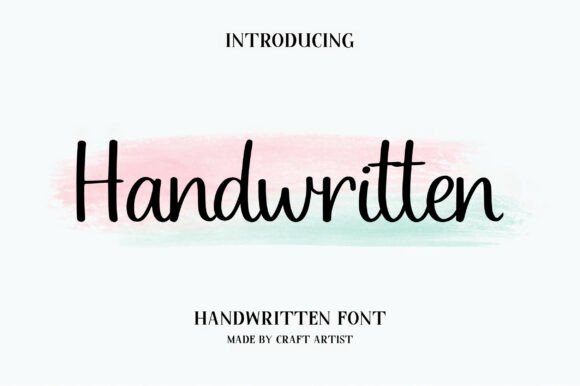
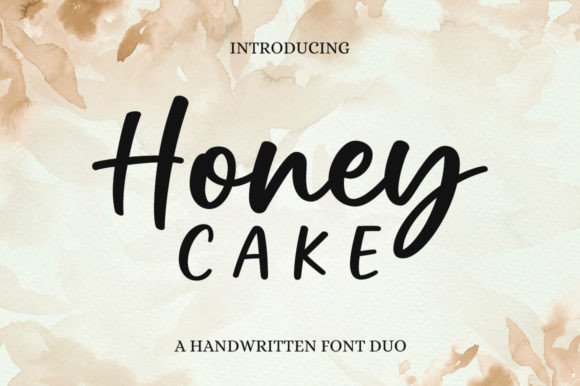
At its core, Honey Cake is a lovely handwritten font that walks the line between casual and polished. It’s a script font with a natural, flowing rhythm, but it avoids the chaos that can come with some more raw, sketch-style typefaces. The characters are beautifully balanced, with consistent stroke weights that give it a clean, professional look even though it’s clearly made by a human hand. This isn’t a font that screams for attention with wild loops or dramatic flourishes. Instead, it whispers with a kind of quiet confidence. The letterforms are simple, elegant, and incredibly versatile, making it a fantastic choice for designers who want to add a touch of warmth without sacrificing legibility.
Where Honey Cake Truly Shines
The real strength of a premium font like Honey Cake is its adaptability. It’s not a one-trick pony confined to wedding invitations or baby shower cards—though it’s wonderful for those, too. Think of it as a versatile tool in your design assets toolkit. Its balanced, modern script style allows it to slip seamlessly into a wide range of projects.
For brand identity, Honey Cake is a gem. Imagine it on a logo for a boutique bakery, a handmade soap company, or a cozy coffee shop. It immediately communicates craftsmanship, care, and a personal touch. It tells customers, “A real person made this with love.” This makes it perfect for small business owners and entrepreneurs building a brand that feels authentic and human. It works beautifully for product packaging design, where it can make a label feel artisanal and high-end. Pair it with a clean sans serif font for the body text, and you have a brand system that is both charming and highly functional.
In editorial design and publishing, Honey Cake can elevate layouts without overwhelming the content. Use it for pull quotes, chapter titles in a cookbook, or subheadings in a lifestyle magazine. It adds a layer of personality that a standard serif font can’t provide. Bloggers and content creators will find it invaluable for creating eye-catching social media graphics, Pinterest pins, and YouTube thumbnails. It grabs attention in a crowded feed because it feels personal and relatable, which is key to boosting audience engagement.
The Practical Side of Choosing a Creative Font
Falling in love with a font’s aesthetic is easy. The real work is making sure it actually fits your project’s needs. As a commercial font, Honey Cake comes with licensing, so your first step is to understand the terms. Most licenses cover personal and commercial use, but if you’re embedding it in an app or using it for a massive national campaign, you’ll want to double-check the specifics. This is a non-negotiable part of using any modern typography asset professionally.
Next, think about readability. This is where Honey Cake’s balanced design really pays off. Because the letterforms are clear and well-spaced, it holds up surprisingly well at smaller sizes, especially for short bursts of text like headlines or call-to-action buttons on a website. For web design, always test it across different devices and browsers. A font that looks perfect on your desktop monitor might lose its charm on a mobile screen if the x-height is too low or the connections between letters are too fiddly. Honey Cake’s simplicity is a major advantage here.
One of the most important steps in any design project is testing font pairing. Honey Cake, as a display font with a strong personality, needs a partner that complements it without competing. The classic rule of thumb is to pair a script or handwritten font with something sturdy and neutral. A geometric sans serif like Montserrat or a clean serif like Lora can provide the perfect counterbalance. The script font brings the emotion and flair, while the other font delivers the information with clarity. This creates a strong visual hierarchy, guiding the reader’s eye exactly where you want it to go.
Building Consistency and Professionalism
Using a distinctive font like Honey Cake consistently across all your touchpoints does more than just make things look pretty. It builds brand recognition. When customers see that same elegant script on your website, your Instagram stories, your packaging, and your email newsletters, it creates a cohesive experience. It signals professionalism and attention to detail. They start to associate that specific visual style with your brand’s values and quality, which is the ultimate goal of any brand identity work.
For the hobbyist or crafter, this font is a joy to use. It can transform a simple homemade label into something that looks store-bought. It can make a digital planner feel more personal and inviting. For the marketer, it’s a tool to humanize a campaign and connect on an emotional level. The key is to use it with intention. Don’t sprinkle it everywhere just because it’s beautiful. Use it for the moments where you want to inject that specific feeling of warmth and authenticity.
In the end, the best typeface is the one that serves your message and resonates with your audience. Honey Cake offers a rare combination of handwritten charm and refined elegance. It’s a creative font that feels both personal and polished, making it a valuable asset for anyone looking to add a touch of human warmth to their visual communication. Whether you’re crafting a logo design, designing a marketing brochure, or simply creating a beautiful social media post, it provides a reliable and visually appealing foundation to build upon. Give it a test run, see how it feels in context, and you might just find it’s the perfect ingredient for your next project.