The Art of Effortless Elegance: A Guide to the Handwritten Font
In the world of digital design, we often find ourselves searching for that perfect balance between professionalism and personality. We want our brands to feel credible, yet we crave a connection that feels human and warm. This is precisely where the Handwritten typeface finds its stride. It isn't just a collection of letters; it is a sophisticated script font designed to bridge the gap between polished modern typography and the organic charm of a personal note. For designers and business owners alike, understanding how to leverage a premium font like this can transform a standard layout into an emotional experience.
Visual Anatomy and the "Natural Flow"
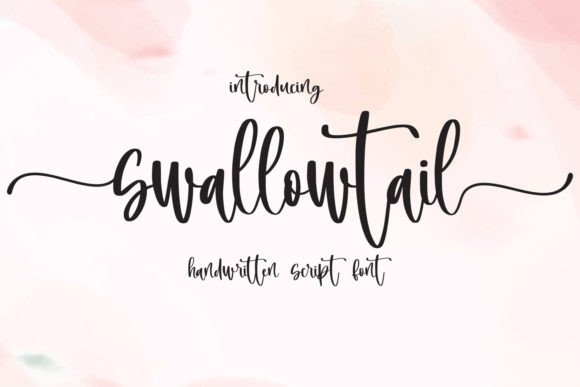
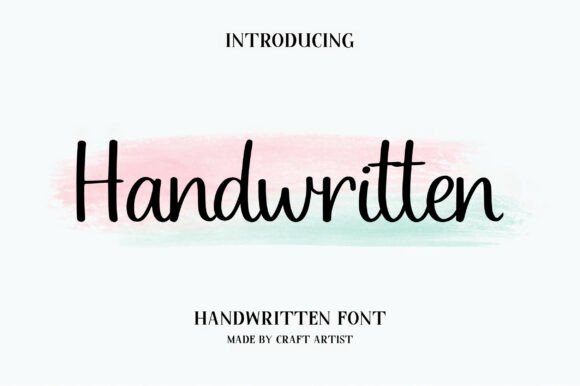
When we talk about modern typography, we are often discussing cleanliness and grid systems. However, Handwritten challenges this by introducing a fluid, cursive aesthetic that remains remarkably legible. It possesses what typographers call "rhythm"—the way the eye moves naturally from one character to the next. Unlike chaotic or scratchy grunge fonts, this typeface offers a soft, consistent baseline with smooth connecting strokes. It feels curated rather than random.
The visual personality of Handwritten is distinctly romantic but avoids being overly frilly. It carries a casual elegance, meaning it works equally well on a high-end perfume bottle as it does on a rustic wedding invitation. If you look closely at the letterforms, you will notice the subtle variations in stroke weight. This mimics the pressure of a real pen on paper, adding a layer of texture that flat, digital fonts often lack. This specific characteristic makes it a powerful tool for brand identity work where authenticity is key.
Strategic Applications: Where Handwritten Shines
Choosing the right display font requires an understanding of context. You wouldn't use a heavy blackletter font for a pediatrician's website, nor would you use a sterile sans-serif for a bakery's logo. Handwritten excels in scenarios that require a personal touch or a burst of creativity. Here is how it performs across different sectors:
- Logo Design and Branding: For small business owners in the lifestyle, beauty, or artisanal food sectors, this font creates an immediate sense of approachability. It suggests that there is a real person behind the brand, not just a corporation. It pairs beautifully with a clean sans serif font for body text, allowing the logo to pop without overwhelming the rest of the design.
- Editorial and Packaging Design: In packaging design, shelf appeal is everything. Using Handwritten for headers or accent text on labels can suggest that the product is handcrafted or small-batch. Similarly, in editorial design—such as magazine pull quotes or chapter headings—it breaks up the monotony of long-form reading and draws the eye to key statements.
- Digital Media and Web Design: The digital space is crowded. On social media platforms like Instagram or Pinterest, a creative font like this helps stop the scroll. It is particularly effective for "quote graphics" or sale announcements where you need immediate emotional impact. In web design, while it should be used sparingly for readability reasons, it is excellent for hero sections or call-to-action buttons that need to feel inviting rather than demanding.
The Science of Font Pairing
One of the most common mistakes in design is using a single font family for an entire project. While safe, it can lead to a flat visual hierarchy. Font pairing is the art of combining typefaces to create contrast and balance. Handwritten acts as a fantastic "accent" font. Because it is expressive and cursive, it demands a stable partner.
I often recommend pairing Handwritten with a geometric sans serif font or a traditional serif font. The geometric sans-serif provides a modern, clean structure that grounds the fluidity of the script. Conversely, pairing it with a classic serif can create a "luxe" aesthetic suitable for high-end fashion lookbooks or upscale event invitations. The key is contrast: if the script is flowing, the partner font should be structured. If the script is light, the partner font can be slightly bolder. This interplay guides the viewer's eye and establishes a clear visual hierarchy.
Practical Guidance for Implementation
As a creative professional, you know that a beautiful font is only as good as its usability. Before integrating Handwritten into your next project, consider these practical steps to ensure it enhances rather than hinders your work.
- Readability Testing: Script fonts are notoriously difficult to read at small sizes. Test Handwritten on multiple devices and print it out. If you are using it for a website header, ensure the contrast against the background is high enough that the loops and swashes don't blur together.
- Spacing and Kerning: Cursive fonts often require manual kerning (adjusting the space between letters) to ensure the connections between letters look natural. Do not rely solely on the default software settings; take the time to tweak the tracking for large headlines.
- Evaluate the Project Fit: Ask yourself if the tone matches the message. Handwritten conveys warmth, creativity, and intimacy. If you are designing a legal contract, a technical manual, or a corporate banking report, this font is the wrong choice. However, for greeting cards, social media graphics, or a yoga studio's brochure, it is likely the perfect fit.
- Licensing and Assets: When investing in design assets, always verify the licensing. Ensure the commercial font license covers your specific usage—whether it is for physical goods like t-shirts or digital goods like e-books. Respecting font licensing protects your business and supports the type designers who create these tools.
Elevating Brand Perception
Ultimately, typography is about psychology. The fonts you choose tell your audience how to feel before they even read the words. By utilizing a handwritten font like Handwritten, you are signaling that your brand values aesthetics, attention to detail, and a personal connection. It moves your design away from the generic and toward the bespoke. Whether you are a marketer crafting a campaign, a blogger designing a header, or a crafter making a wedding invite, this typeface offers a versatile, elegant solution that feels timeless yet modern. It proves that sometimes, the best way to look professional is to look a little more human.