Renesmee: The Playful Handwritten Script for Modern Creatives
Understanding the Font's Unique Character
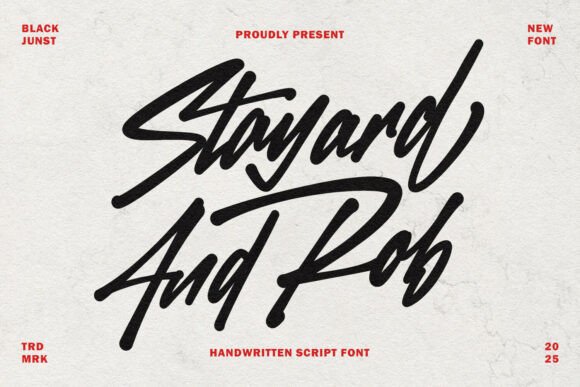
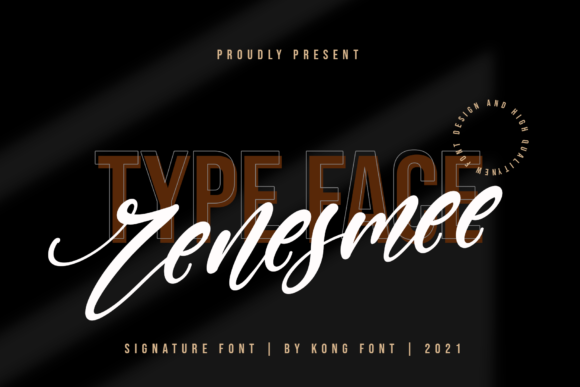
When you first encounter the Renesmee typeface, you immediately notice its lively, organic energy. This isn't a stiff, formal script that feels like it belongs on a wedding invitation from 1995. Instead, it's a modern and playful handwritten script font designed with today's creative projects in mind. The letterforms flow with a casual, confident rhythm, featuring slightly varied baselines and natural-looking connections that mimic real handwriting. The strokes have a pleasant, medium weight—not too thin to disappear, not too bold to overwhelm—giving it excellent versatility. You'll find a balanced mix of uppercase letters with personality and lowercase letters that connect fluidly, creating words that feel authentic and approachable. The overall impression is friendly, creative, and distinctly contemporary, making it a fantastic choice for projects that need to convey warmth and individuality without sacrificing legibility.
Where This Script Font Truly Shines
The practical applications for a font like Renesmee are broad, but its strengths lie in specific creative territories. It excels as a display font, perfect for grabbing attention in headlines, logos, or hero sections where you want an immediate emotional connection. For brand identity, particularly for small businesses, boutiques, artisans, or lifestyle brands, it can inject a handcrafted, personal touch that larger, impersonal corporations often lack. Think about a local bakery's logo, a boutique clothing label, or the branding for a yoga studio—Renesmee can help establish that unique, approachable voice.
Its playfulness is a huge asset for social media graphics. In a feed crowded with sterile sans serifs and predictable serifs, a well-placed handwritten font can stop the scroll. Use it for quote graphics, promotional announcements, or story overlays to add a dose of human personality. It's also a natural fit for packaging design, especially for products targeting a younger demographic or those in the craft, gift, or gourmet food sectors. The font's character can communicate "made with care" or "fun and whimsical" more effectively than a generic typeface.
Beyond commercial use, Renesmee is a dream for personal projects and crafters. Its compatibility with tools like Silhouette Design Studio makes it accessible for creating custom vinyl decals, personalized stationery, scrapbooking elements, and party invitations. The font's inherent charm can elevate a DIY project from homemade to thoughtfully designed. For editorial design, consider using it sparingly for pull quotes, subheadings, or feature titles in magazines, blogs, or e-books to break the monotony of body text and inject visual interest.
Making Strategic Design Choices with Renesmee
Choosing any premium font is about more than just aesthetics; it's a strategic decision that impacts your project's effectiveness. While Renesmee is versatile, it's not a one-size-fits-all solution. Its greatest strength—its pronounced handwritten style—can become a weakness if overused or applied in the wrong context. For large blocks of body copy, for instance, its decorative nature can hinder readability. This is where understanding font pairing becomes crucial.
A classic and effective strategy is to pair Renesmee with a clean, neutral sans serif font or a simple, readable serif font. The contrast allows the script to stand out as the star for headlines or highlights, while the companion font ensures clarity and comfort for longer text. For example, pairing it with a geometric sans serif like Montserrat or a humanist sans serif like Open Sans creates a balanced, professional hierarchy. This approach maintains the playful energy of Renesmee while ensuring your overall design feels polished and professional.
Before committing, always test the font in the context of your specific project. Type out key words and phrases relevant to your brand or message. Check the spacing (kerning) between tricky letter pairs like "Ty" or "We" to ensure they look intentional. Review the full character set; many script fonts include alternate characters, ligatures, or swashes that can add extra flair. Does the font include the symbols and punctuation you need? Does its x-height (the height of lowercase letters) work well with your chosen companion font? These practical checks prevent surprises later in the design process.
Licensing and Long-Term Considerations
When investing in a commercial font like Renesmee, created by a studio like Kong Font, understanding the license is non-negotiable. The license dictates how you can legally use the font—whether for personal projects, commercial client work, digital products, or embedded in apps or websites. Always read the End User License Agreement (EULA) provided by the distributor, in this case, Creative Fabrica. Key points to verify include the number of users or installations permitted, whether the license covers use in items for sale (like on Etsy or in templates), and any restrictions on modification or redistribution.
Think about your project's lifespan. A font choice for a one-time social media post is different from a choice for a logo design that will become the cornerstone of your brand identity for years. Ensure the license supports your intended use cases, both now and in the foreseeable future. A reputable creative font from a foundry like Kong Font typically comes with clear licensing, giving you peace of mind to build upon your design assets confidently.
Ultimately, fonts like Renesmee are powerful tools in a designer's toolkit. They offer a way to break free from the uniformity of system fonts and inject genuine personality into your work. By understanding its visual personality, applying it to the right contexts, pairing it strategically, and securing the proper license, you can leverage this modern typography asset to create designs that are not only beautiful but also effective, memorable, and truly reflective of the creative vision you want to share.