Command the Canvas with Bongstand: A Bold Script Typeface
In the crowded landscape of digital design, finding a typeface that doesn't just sit on the page but actively commands attention is a rare win. Bongstand is exactly that kind of find—a vibrant, energetic handwritten font that bridges the gap between casual street-style lettering and the precision of modern digital layouts. It’s not a quiet, neutral font waiting to blend in. It’s a statement piece, defined by its bold script anatomy and a consistent forward tilt that injects immediate momentum into any headline or logo. For designers, marketers, and brand builders looking to make an instant, confident impression, this typeface offers a powerful tool.
Visual Anatomy: What Makes Bongstand Tick
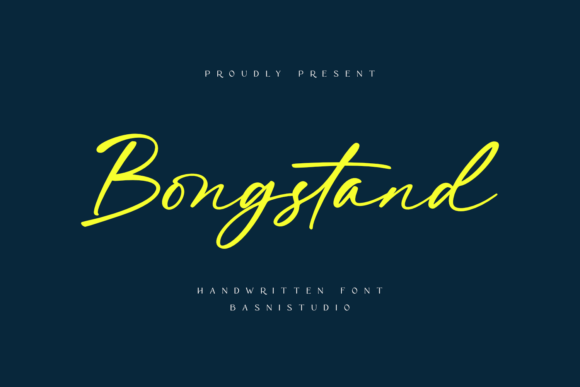
At its core, Bongstand is a premium font built for impact. Its personality is athletic, confident, and unapologetically bold. This comes from a few key design choices. The strong capital stems provide a solid, sturdy foundation, while the highly visible x-height ensures that even at smaller sizes, the lowercase letters maintain their presence and don’t get lost. The magic, however, lies in the connections. The crisp, fluid letter connections create an uninterrupted visual current, making sentences flow smoothly despite the font’s inherent energy. It’s a script font that feels both spontaneous and meticulously crafted.
The technical execution supports this visual promise. Optimized with smooth, heavy vector paths, Bongstand is engineered to cut through visual noise. This means it holds its own against deep solid colors, dark navy fields, or high-density background graphics with ultimate legibility. Think of it as the display font equivalent of a bold marker on a textured surface—it doesn’t just show up; it makes its presence known. For projects where readability is non-negotiable but personality is paramount, this balance is crucial.
Where Bongstand Shines: Practical Applications
Understanding a font’s strengths is one thing; knowing where to deploy it is another. Bongstand isn’t a one-trick pony, but it excels in specific scenarios where its energy can be harnessed effectively.
- Branding & Logo Design: This is Bongstand’s home turf. It functions as an exceptional centerpiece for progressive tech startup banners, active lifestyle branding, and creative studio logotypes. Its bold script anatomy can instantly convey innovation, dynamism, and approachability. Paired with a clean sans serif font for body text, it creates a striking contrast that establishes a clear visual hierarchy.
- Marketing & Social Media: In the fast-scroll world of social media, Bongstand’s forward tilt and high legibility make it a standout for titles and key messages. It’s perfect for Instagram graphics, YouTube thumbnails, or promotional banners where you need to grab attention in a split second. Its playful yet professional vibe works well for both product launches and community engagement posts.
- Editorial & Packaging Design: Don’t overlook its potential in print. For magazine covers, event posters, or product packaging—especially in niches like sports equipment, artisanal foods, or creative services—Bongstand adds a human, energetic touch that sterile serif fonts or standard sans serifs can’t match. It can make a header on a coffee bag or a label on a craft beer feel instantly more engaging and memorable.
- Personal Projects & Merchandise: For bloggers, content creators, and crafters, this creative font is a fantastic asset for creating unique merchandise, workshop materials, or branded stationery. Its retro sports merchandise header vibe is perfect for T-shirt designs, tote bags, or digital planners that aim for a cool, urban aesthetic.
Using Bongstand Effectively: A Designer’s Checklist
Adopting a bold, character-driven font like Bongstand requires a bit of strategy to ensure it enhances rather than overwhelms your project. Here’s some practical guidance.
Evaluate the Project Fit
First, ask if the font’s personality aligns with your brand’s voice. Bongstand is confident and energetic. Is that the right tone for a law firm’s annual report? Probably not. But for a fitness app’s launch campaign or a music festival’s lineup poster? It’s a perfect match. Consider your audience and the emotion you want to evoke.
Master the Font Pairing
As a dominant display font, Bongstand needs a complementary partner for longer text. Its best friend is often a neutral, geometric sans serif font like Montserrat, Poppins, or a similar clean typeface. This pairing allows Bongstand to handle the headlines and key call-outs while the sans serif ensures body copy remains highly readable. Avoid pairing it with another ornate or script font, as this can create visual chaos.
Test for Readability
While Bongstand is optimized for legibility, always test it in context. Place it against your intended background color or image. Check it at the actual size it will be used, especially for smaller applications like social media profile banners or packaging subheadings. The fluid connections are designed for flow, but ensure that flow doesn’t compromise clarity at critical sizes.
Review Styles and Licensing
Most commercial fonts come in different weights or styles. Check if Bongstand includes alternates, ligatures, or swashes that can add variety and customization to your designs. Crucially, ensure you understand the licensing. If you’re using it for a client’s logo, merchandise, or a widely distributed app, you’ll need the appropriate commercial license to avoid legal headaches down the line.
Consider the Broader Brand Ecosystem
Think about how Bongstand will function across all your touchpoints. Will it work for your website’s H1 headings? Your printed business cards? Your email newsletter headers? Its versatility is a strength, but consistency is key to building a recognizable brand identity. Using it selectively as your primary logo font and for major headlines can create a strong, cohesive system.
In the end, Bongstand is more than just a handwritten font; it’s a strategic design asset. It’s for the designer who needs to make a startup feel innovative, the marketer who needs a social post to stop the scroll, and the small business owner who wants their packaging to tell a story with confidence. When used thoughtfully, it doesn’t just set a headline—it sets the entire tone.