Bon Appetit: A Script Font with Artistic Watercolor Texture
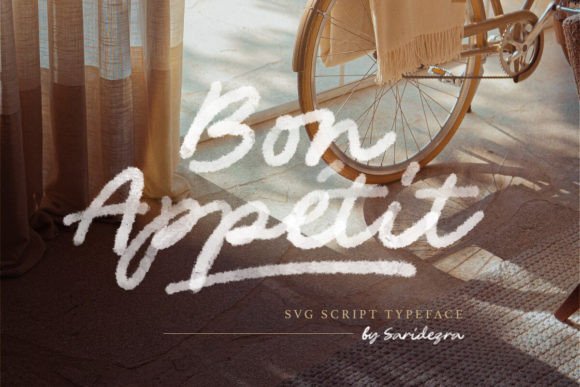
If you’ve ever struggled to find a script font that doesn’t look flat or overly digital, Bon Appetit might be the solution you’ve been searching for. This isn't just another typeface; it is a premium font asset designed to bridge the gap between digital precision and organic artistry. The defining feature of Bon Appetit is its built-in transparency and watercolor texture. Unlike standard vector fonts that rely on solid colors, this typeface mimics the bleeding and saturation of real watercolor paint. It offers a handmade aesthetic that feels warm, inviting, and authentic, making it a standout choice for any creative font collection.
The Technical Edge: SVG vs. Vector
One of the biggest challenges in modern design is maintaining texture without sacrificing scalability. Bon Appetit solves this by offering two distinct formats: a standard Vector OTF and an SVG OTF. Understanding the difference is crucial for brand identity and production workflows.
The SVG format is where the magic happens. SVG stands for Scalable Vector Graphics, but in the context of fonts, it allows for high-resolution color and texture data to be embedded directly into the file. When you use the SVG version of Bon Appetit, you get that rich, watercolor transparency that retains its detail even at large sizes. This is perfect for logo design or hero images on a website where every brushstroke matters.
However, not all printing methods support SVG fonts. For situations requiring standard vector outlines—such as screen printing, engraving, or certain packaging design applications—the vector OTF version is included. While you lose the transparency texture, you retain the beautiful, flowing script font letterforms. This versatility ensures that Bon Appetit can be used across a wide variety of media, from digital screens to physical merchandise.
Where This Typeface Shines Brightest
Because Bon Appetit is a display font, it is engineered for impact rather than long-form reading. Its personality is expressive and artistic, making it ideal for projects that need to convey emotion, elegance, or a personal touch. Here is how different professionals can leverage this typeface:
- Logo Design and Brand Identity: For boutique businesses, bakeries, lifestyle blogs, or wellness brands, this font offers an immediate sense of authenticity. It tells the audience that the brand values craftsmanship.
- Packaging Design: The watercolor texture pairs exceptionally well with organic products, artisanal goods, or stationery. It gives physical products a high-end, custom look that stands out on the shelf.
- Social Media Graphics: In the fast-paced world of Instagram and Pinterest, stopping the scroll is everything. The textured nature of Bon Appetit catches the eye instantly, making it excellent for quotes, announcements, and headers.
- Editorial Design: Use it for pull quotes or magazine covers. It provides a striking contrast when placed next to clean sans serif fonts or traditional serif fonts.
- Wedding Stationery and Invitations: The handwritten font style brings a romantic, bespoke feel to invitations, menus, and save-the-dates.
Mastering Font Pairing and Visual Hierarchy
Using a highly stylized font like Bon Appetit requires a bit of strategy. Because it has such a strong personality, it can easily overwhelm a design if overused. The key to success is font pairing. To create a balanced visual hierarchy, you should pair this script with something neutral and legible.
For example, combining Bon Appetit with a geometric sans serif font like Montserrat or Lato creates a modern, clean look. The simplicity of the sans serif allows the watercolor texture of the script to pop without competing for attention. Alternatively, pairing it with a classic serif font like Garamond can create a more traditional, sophisticated vibe suitable for high-end editorial design.
When testing your font pairing, pay close attention to the x-height and weight. Since Bon Appetit has a lot of visual texture, it can appear heavier than a solid font of the same size. You may need to adjust the size or spacing (kerning) to ensure the text remains readable. Use the underline feature included in the font package to add emphasis to key words. This small detail adds to the handmade feel and helps guide the reader's eye through your layout.
Practical Considerations for Professional Use
Before integrating Bon Appetit into your workflow, there are a few practical steps to ensure a smooth process. First, always check the licensing. As a commercial font, it usually comes with specific terms regarding how many devices can install it or whether it can be used in end products for sale. Ensure your license covers your specific needs, whether for a single client project or a large-scale web design campaign.
Second, consider your medium. If your primary output is mobile web design, test the SVG version carefully. While SVG fonts look incredible, they can sometimes be heavier in file size than standard vectors, potentially affecting page load times. In such cases, using the vector version with a solid color might be a better performance trade-off.
Finally, look at the ligatures. Bon Appetit includes ligatures that automatically connect letters in a way that mimics natural cursive handwriting. Ensure your design software has "Standard Ligatures" turned on to get the most authentic look. Without them, the letters might look disjointed, breaking the illusion of the handwritten font.
Elevating Your Creative Projects
In a digital landscape saturated with generic typography, Bon Appetit offers a refreshing return to tactile, artistic design. It is more than just a script font; it is a design asset that injects personality into any project. Whether you are a small business owner looking to refine your brand identity, a marketer crafting a campaign, or a crafter designing digital prints, this typeface provides the tools to create something memorable. By utilizing its unique watercolor texture and thoughtful ligatures, you can elevate your work from standard to stunning, ensuring your message is not just read, but felt.