Why Better Together is the Modern Script Font Your Brand Needs
When you're building a brand, every visual element tells a story. The colors you choose, the imagery you select, and especially the typography you use all work together to create an impression. If you've been searching for a script font that feels contemporary, clean, and versatile without sacrificing personality, Better Together deserves your attention. This monoline script typeface strikes a rare balance between elegance and approachability, making it a genuinely useful tool for designers, entrepreneurs, and creatives across industries.
Understanding the Visual Character of Better Together
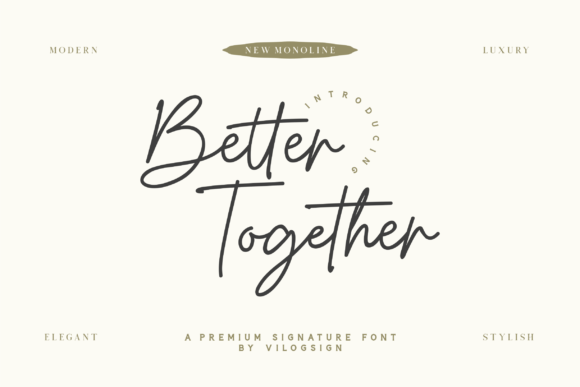
Better Together is a monoline script, which means its strokes maintain a consistent weight throughout each letterform. Unlike brush scripts that vary in thickness or traditional calligraphy with dramatic contrast, this font keeps things even and controlled. The result is a typeface that reads as polished and intentional rather than overly decorative or casual.
The letterforms themselves lean modern. You won't find excessive flourishes or ornate swashes cluttering the design. Instead, the characters flow with a natural rhythm that feels handwritten but refined. The connections between letters are smooth and deliberate, giving words a cohesive appearance rather than looking like individual letters strung together. There's a warmth to it, certainly, but also a professionalism that prevents it from feeling too informal for commercial applications.
What makes Better Together particularly appealing is its legibility at various sizes. Script fonts often struggle when scaled down, becoming muddy and difficult to read. This typeface, with its clean monoline construction and well-proportioned letterforms, holds up reasonably well across different contexts. It won't replace your body copy font for long paragraphs, but for headlines, logos, and display purposes, it maintains clarity without losing its script charm.
Where This Typeface Truly Shines
The real strength of Better Together lies in its adaptability. It's not a one-trick font designed for a single application. Instead, it functions as a versatile design asset that can elevate projects across multiple categories.
Branding and Logo Design: If you're developing a brand identity for a boutique business, lifestyle brand, beauty company, or creative studio, Better Together offers that modern script look many clients gravitate toward. It works beautifully for logos where you want to convey warmth and personality without looking outdated. Think about how it could complement a wedding planning business, a handmade candle brand, or a contemporary café. The font communicates care and craftsmanship simply through its visual tone.
Invitations and Stationery: Wedding invitations, event announcements, and greeting cards are natural homes for a script font like this. Better Together brings an elevated feel to these materials without veering into overly formal territory. It pairs well with clean sans serif fonts for body text, creating a visual hierarchy that guides the reader's eye naturally from headline to details.
Packaging and Labels: Product packaging demands typography that communicates quickly and memorably. Better Together works well for product names, taglines, and accent text on labels for cosmetics, food products, artisanal goods, and fashion items. Its modern personality helps products stand out on shelves while maintaining a cohesive, professional appearance.
Digital and Editorial Applications: For magazine layouts, blog headers, social media graphics, and website accents, this font adds visual interest without overwhelming a design. It's particularly effective for pull quotes, section headers, and featured text where you want to draw attention. Content creators and bloggers can use it to establish a recognizable visual style across platforms, reinforcing brand consistency with every post.
Publishing and Book Design: Book covers, chapter headings, and interior display text benefit from a typeface that feels distinctive yet readable. Better Together suits genres like lifestyle, romance, self-help, and creative nonfiction where the cover design needs to convey tone and emotion at a glance.
How Better Together Influences Brand Perception
Typography shapes how people feel about a brand before they read a single word. When someone encounters Better Together in your logo or marketing materials, they're absorbing subtle cues about your business. The modern, clean aesthetic suggests a brand that's current and thoughtful. The script quality adds human warmth and creativity. The consistency of the monoline style communicates reliability and attention to detail.
This combination matters more than many people realize. A font that feels too formal can create distance. One that's too casual might undermine credibility. Better Together sits in a space that feels trustworthy yet personal, which is exactly where many small businesses, creative professionals, and lifestyle brands want to position themselves.
Visual hierarchy also benefits from incorporating a script font strategically. When you pair Better Together with a strong serif font or a clean sans serif for supporting text, you create contrast that helps readers navigate your content. The script naturally draws attention to key elements, while your secondary font handles the heavy lifting of body copy. This interplay makes your designs more functional and visually engaging.
Practical Guidance for Working with This Font
Before committing to Better Together for a project, consider a few practical factors that will help you get the most from this typeface.
Test It in Context: Don't just type out your brand name in a design tool and call it done. Place the font into actual mockups where it will live. See how it looks on a business card, a website header, a product label, and a social media graphic. Context reveals things that isolated previews miss, like how the font interacts with your color palette and imagery.
Evaluate Font Pairings: Script fonts rarely work well in isolation for full designs. Try pairing Better Together with complementary typefaces. A geometric sans serif can create a modern, balanced look. A traditional serif can add sophistication. Experiment with different combinations and weights to find what supports your overall design vision without competing for attention.
Consider Readability at Scale: While Better Together performs well for display purposes, be mindful of how small you're using it. At very small sizes, even clean scripts can become difficult to read, particularly for audiences viewing content on mobile screens. Reserve it for headlines, logos, and accent text where it can be appreciated at a comfortable reading size.
Review Included Styles and Licensing: Before purchasing, check what character sets, alternates, and language support are included. Understanding the full scope of what you're getting ensures the font meets your project requirements. Also verify the commercial license terms, especially if you're using the font for client work, products for sale, or large-scale distribution. A premium font with clear licensing protects both you and your clients.
Use It with Intention: The most effective use of any creative font is purposeful. Don't apply Better Together everywhere simply because you like how it looks. Choose specific moments where its personality adds value, and let other typography elements handle the rest. Restraint often produces stronger, more professional results than overusing a single typeface across every surface.
Making the Most of Your Design Assets
Building a cohesive visual identity requires thoughtful choices at every step. Better Together offers a strong foundation for projects that need a modern script with real versatility. Whether you're crafting a wedding invitation suite, designing packaging for a new product line, developing a brand identity from scratch, or refreshing your social media presence, this typeface provides a reliable starting point that adapts to your creative direction.
The best typography decisions come from understanding both the tool and the project. Take time to explore how Better Together interacts with your other design assets, test it across the formats where your audience will encounter it, and trust your instincts about whether the visual tone aligns with your goals. When a font fits a project well, it becomes invisible in the best way, supporting your message rather than distracting from it.