Flash: A Script Font That Feels Like a Personal Signature
In a world saturated with digital precision, there's a growing hunger for the human touch. We crave authenticity, the feeling that something was made with care, not just assembled by an algorithm. This is precisely where the Flash typeface finds its power. It’s not just another script font; it’s a sophisticated and rhythmic lettering system that balances calligraphic elegance with a warm, organic heartbeat. For designers and brand builders, Flash offers a direct line to creating work that feels personalized, artisanal, and genuinely connected.
The Anatomy of Artistry: What Makes Flash Unique
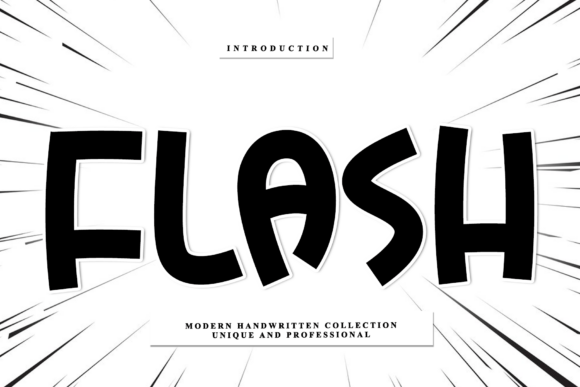
At first glance, Flash captivates with its defining characteristic: those sweeping, looping ascenders. The tall strokes on letters like 'h', 'l', and 'b' don't just reach upward—they dance. They create a dynamic rhythm across a line of text, giving headlines and logos a sense of movement and customized artistry that feels hand-lettered. Yet, unlike many expressive handwritten fonts, Flash maintains a remarkable consistency and legibility. The letterforms are clear, the connections are logical, and the overall texture is smooth, making it a premium font that prioritizes both style and function.
Its personality is one of confident warmth. It doesn’t scream for attention with wild, unpredictable strokes. Instead, it communicates through refined confidence—a blend of modern typography and timeless craft. Think of it as the font equivalent of a skilled artisan's signature on a product tag. It signals quality, care, and a personal touch, making it an invaluable design asset for projects where perception is everything.
Where Flash Truly Shines: Practical Applications
Understanding a font's personality is one thing; knowing where to deploy it is where strategy comes in. Flash isn't a one-size-fits-all solution, and that's its strength. Its character makes it a premier choice for specific, high-impact applications.
- Artisanal Food & Beverage Branding: This is Flash's natural habitat. It transforms a logo design for a craft brewery, a boutique coffee roaster, or a small-batch jam maker. It speaks directly to the values of handmade quality and authentic ingredients. Imagine it on a bottle label or a coffee bag—it instantly elevates the product from commodity to crafted experience.
- Boutique Product Packaging: From cosmetics to candles, stationery to spirits, packaging is the first physical touchpoint. Flash adds a layer of sophistication and perceived value. It works beautifully on boxes, tags, and sleeves, suggesting the product inside is special and considered.
- Upscale Lifestyle Marketing: Think wedding invitations, luxury spa menus, high-end real estate brochures, or boutique hotel branding. In these contexts, Flash helps establish an atmosphere of elegance and exclusivity without feeling cold or corporate. It's a creative font that builds a mood.
- Editorial & Digital Titles: For bloggers, magazine editors, and content creators, Flash is a powerful tool for editorial design. It makes striking pull quotes, captivating article titles in web design, and engaging headers in newsletters. Its rhythmic flow can draw the reader's eye and set the tone for the content that follows.
- Social Media & Digital Content: In the fast-scroll world of social platforms, a distinctive header font can stop a thumb. Use Flash for Instagram story titles, Pinterest pin graphics, or YouTube thumbnails to add personality and stand out from the crowd of standard sans serifs.
Strategic Impact: More Than Just Pretty Letters
Choosing a typeface like Flash is a strategic decision that influences how your audience perceives and interacts with your brand. It's a core component of your brand identity.
Visual Hierarchy & Readability: As a display font, Flash is designed for impact at larger sizes. Use it for headlines, logos, and short bursts of text. Its clear letterforms ensure it remains readable in these contexts, guiding the viewer's eye and establishing a clear visual hierarchy. However, for body text, you'll want to pair it with a more neutral serif font or sans serif font to maintain readability over long paragraphs.
Brand Perception & Recognition: The consistent use of Flash across your materials—website, packaging, social media—builds a cohesive and recognizable brand identity. Its artisanal aesthetic tells a story about your brand's values before a single word of copy is read. It fosters a sense of professionalism and care, which can directly influence audience engagement and loyalty.
Working with Flash: A Practical Guide
Integrating a new typeface into your workflow requires a bit of testing and planning. Here’s how to make the most of Flash.
- Evaluate the Project Fit: Before you commit, ask: Does my project need a touch of handmade elegance? Is the tone warm, personal, and high-quality? If you're designing for a corporate tech startup or a minimalist law firm, Flash might feel out of place. But for a wedding planner, a bakery, or a lifestyle blog, it could be perfect.
- Master the Font Pairing: The key to using a strong script font is balance. Pair Flash with a clean, geometric sans serif font (like Montserrat or Lato) for a modern, approachable look. For a more classic, refined feel, combine it with an elegant serif font (like Garamond or Playfair Display). The contrast allows Flash to shine as the accent without overwhelming the design.
- Review the Font Family: Check what's included in the license. Does Flash come with multiple weights (Light, Regular, Bold)? Are there stylistic alternates or ligatures? These extras can provide more versatility, allowing you to fine-tune the look for different applications.
- Test for Readability: Always test your chosen text at the intended size and on the intended medium. A font that looks stunning in a design program might lose detail when embroidered on a polo shirt or when viewed on a small mobile screen. Print proofs and view mockups are your best friends.
- Understand the Licensing: Flash is a commercial font. Ensure you purchase the correct license for your needs—whether it's for a single client project, for your own business, or for use across multiple products. This protects you legally and supports the type designers who create these valuable tools.
In the end, selecting a typeface like Flash is about choosing a voice for your visual communication. It’s a voice that speaks of craftsmanship, rhythm, and a personal connection—qualities that resonate deeply in an increasingly automated world. By using it thoughtfully and strategically, you can craft brand experiences that don't just look good, but feel genuinely authentic.